One sea, two countries


WaddenVisie – Experience the wild, protect the place
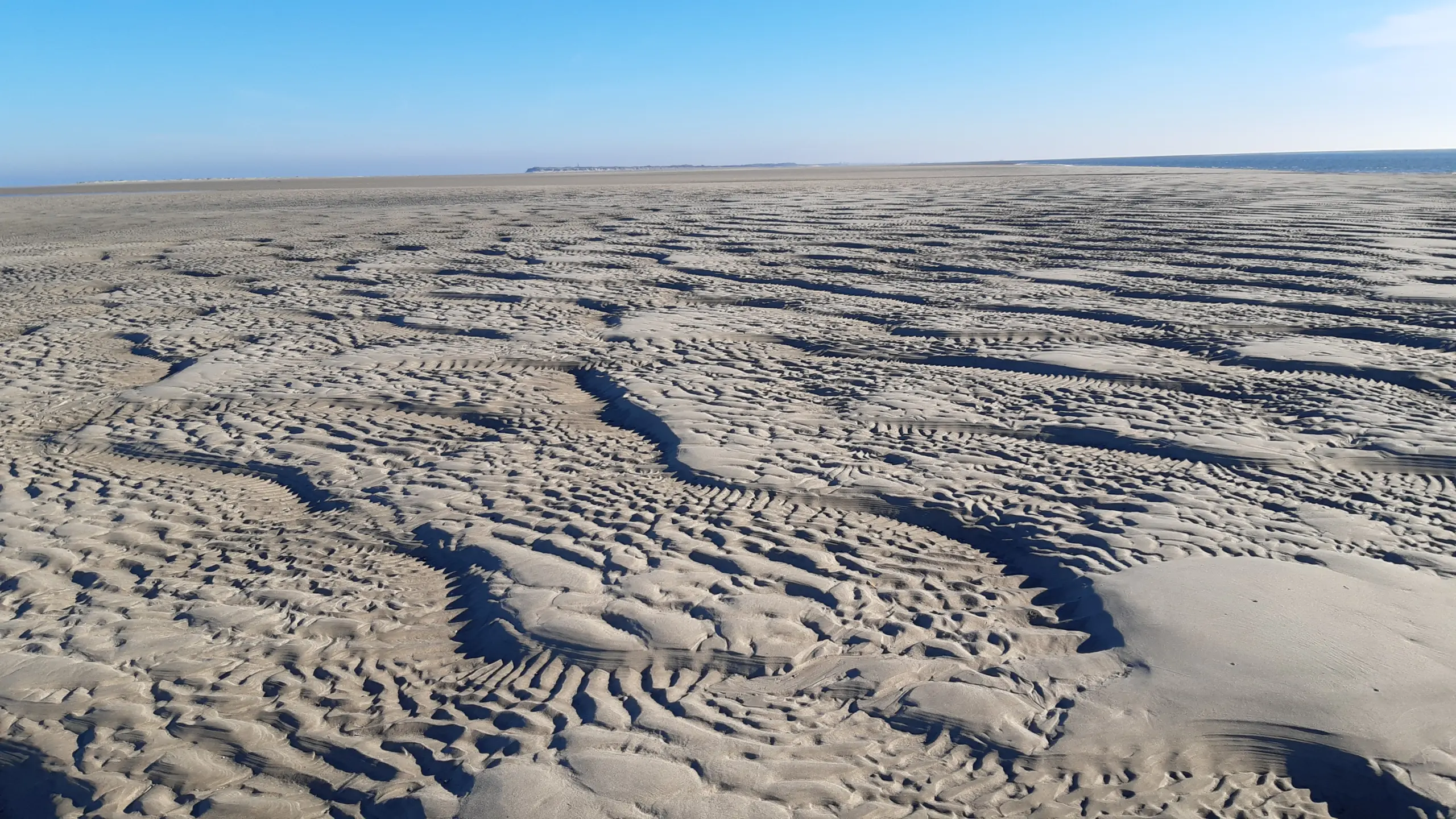
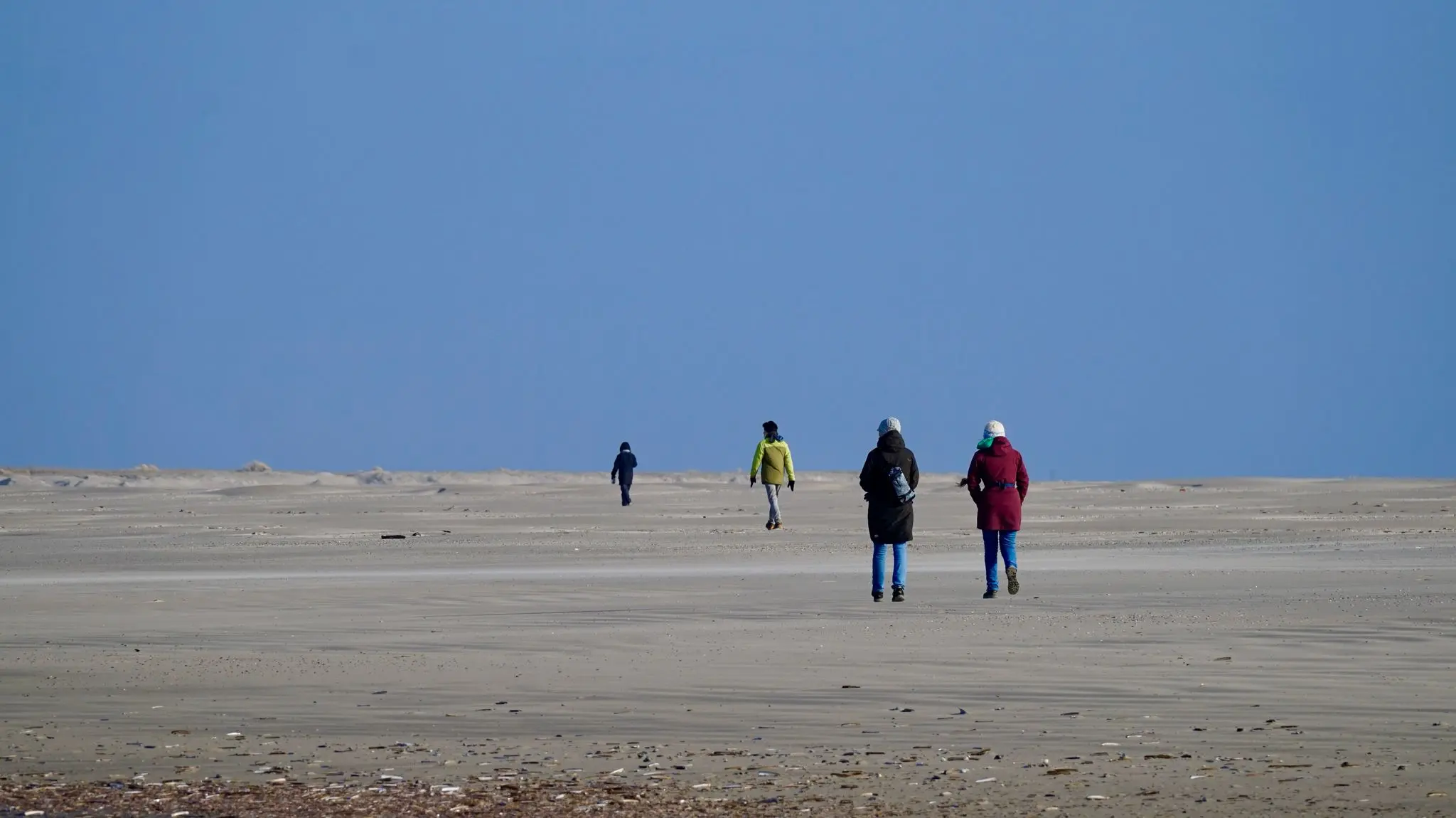
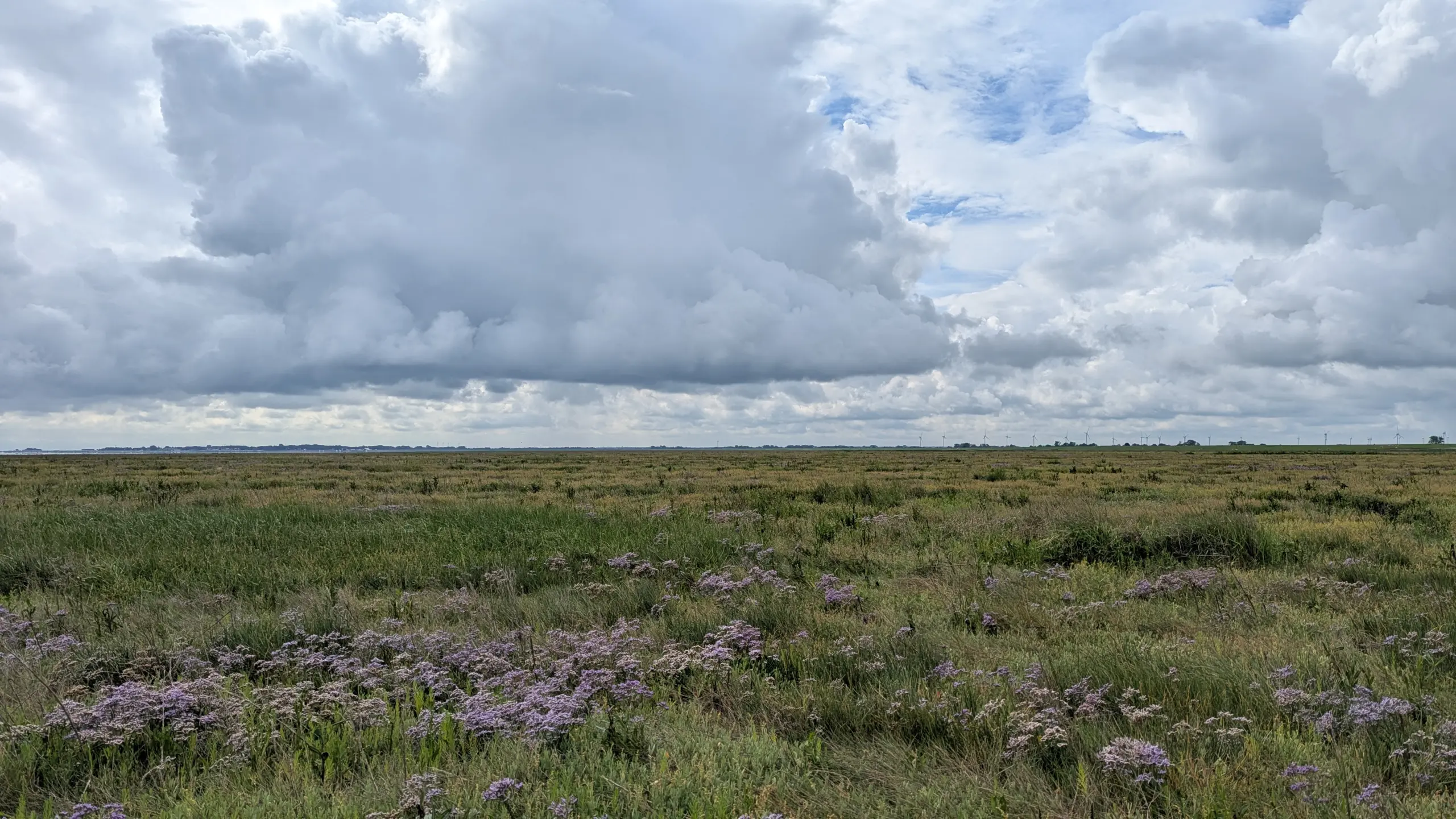
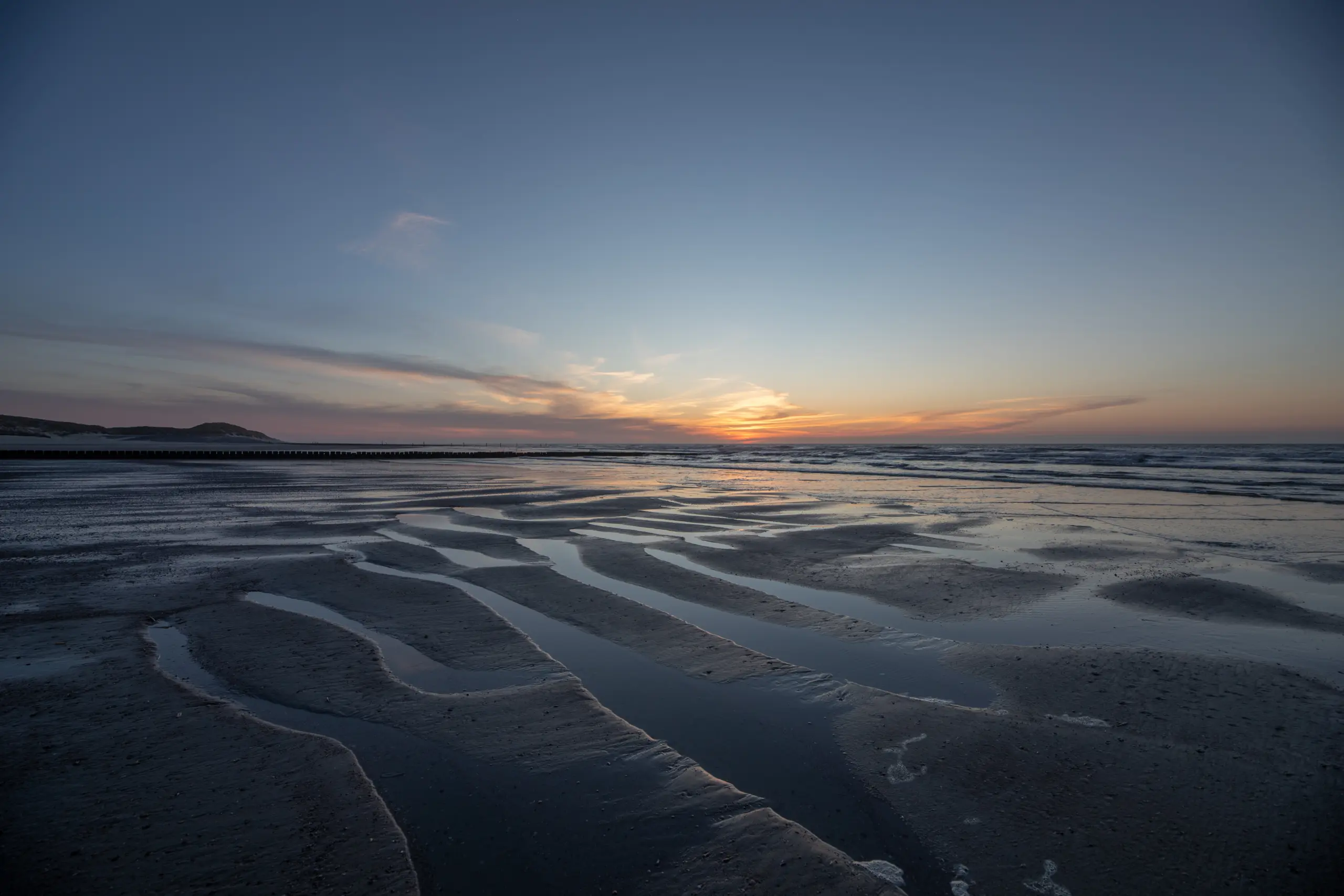
Twice a day, the Wadden Sea changes. The tide retreats, revealing mudflats, mussel beds and quiet channels where seals rest and hundreds of thousands of birds stop on their journey between continents. Across the Dutch-German border, this UNESCO World Heritage landscape is both a place to live and a place to visit.
That makes one question impossible to ignore: how can tourism grow without putting pressure on the landscape that makes the Wadden so special?
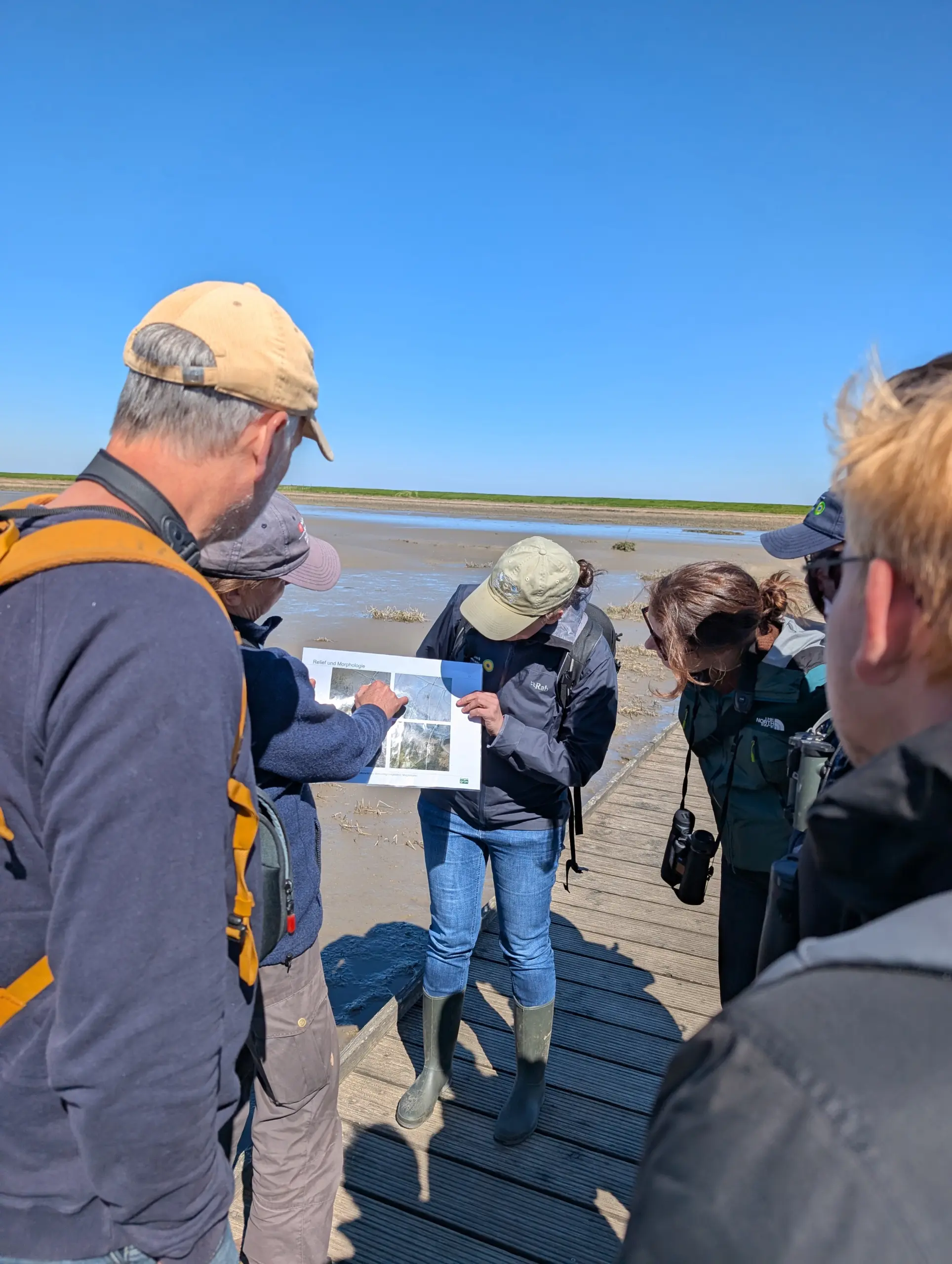
WaddenVisie brings ten Dutch and German partners together to find answers across the border. Rather than looking at the region as two separate destinations, they are building a shared picture of how tourism and recreation affect nature, people and the local economy.
At the heart of this effort is a new sustainability dashboard. It brings together data on topics ranging from water and energy use to local employment, mobility, cultural heritage and the impact of visitors on nature and quality of life. For the first time, information from both sides of the Wadden Sea can be viewed together – making it easier to see where the region is doing well, where change is needed and where more knowledge is still missing.
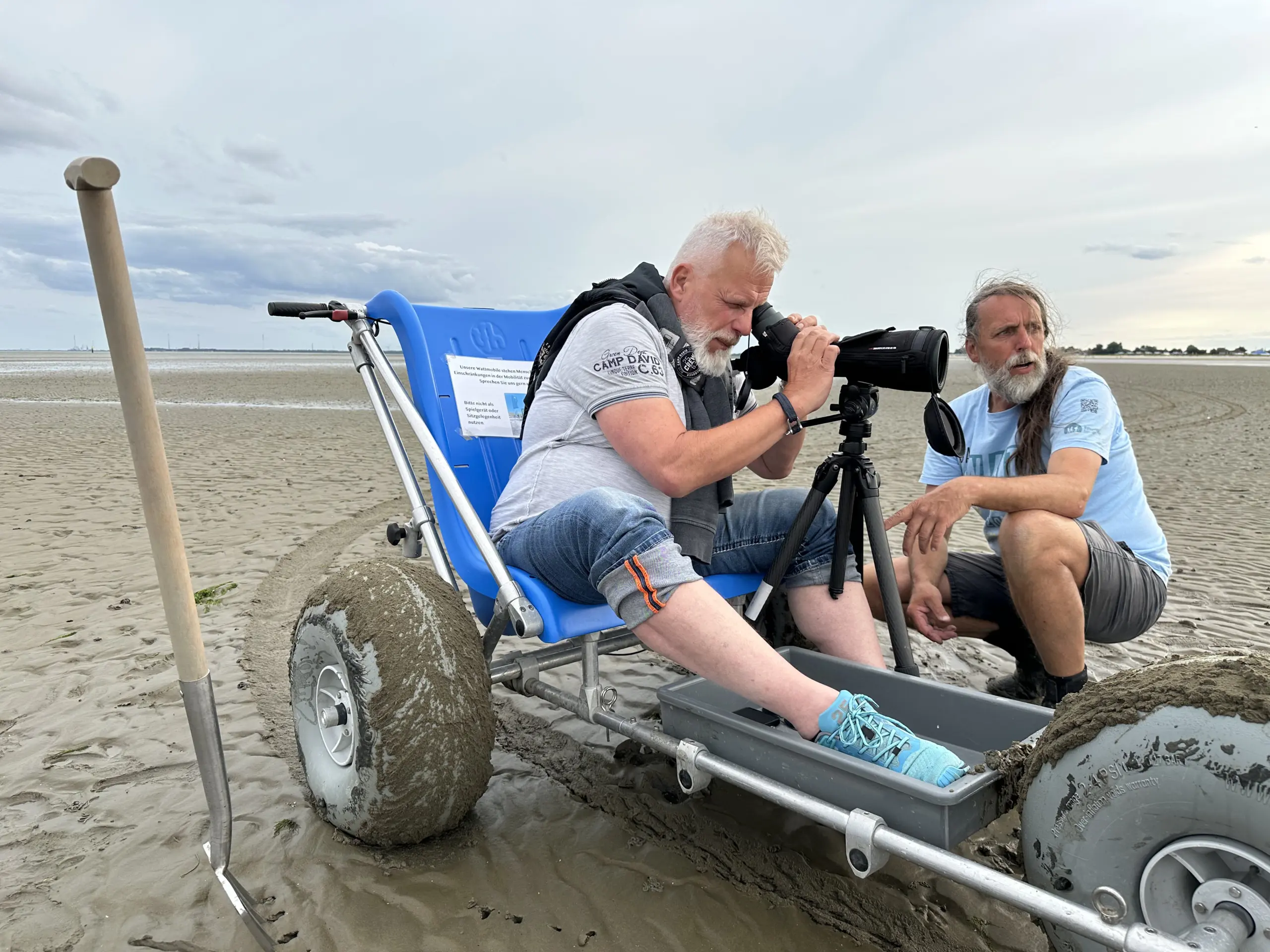
But WaddenVisie is not only about measuring change. The project is also exploring ways to reduce tourism-related emissions, create meaningful experiences of the Wadden’s wilderness while protecting its natural values, and strengthen biodiversity. Partners share knowledge and practical examples to help businesses and destinations take the next step towards more sustainable tourism.
Because the Wadden Sea does not stop at a national border, neither does its future. WaddenVisie is building a shared way of understanding the region, so that tourism can become part of caring for this extraordinary landscape, rather than simply passing through it.

Gallery